

Digital nomads
Study in Nepal while you work remotely
Kathmandu and Pokhara let you combine a remote job with a degree, a short course or language study — at a lower cost of living than most study destinations, with the Himalayas outside.
Why Nepal
Why it works for digital nomads
A workable time zone
Nepal Time (UTC+5:45) puts your mornings alongside Asia and Australia and your afternoons alongside Europe, so a study timetable and client calls can share the same day.
Lower day-to-day costs
Rent, food and local transport generally cost less than in the major study and nomad destinations, which stretches a remote income further while you pay tuition.
A café and coworking culture
Both cities have cafés and coworking spaces used to people working on laptops, many with backup power — useful between lectures.
Study that fits around work
Depending on the institution, options run from full degrees to short courses, certificates and language classes, so you can choose how much of your week goes to study.
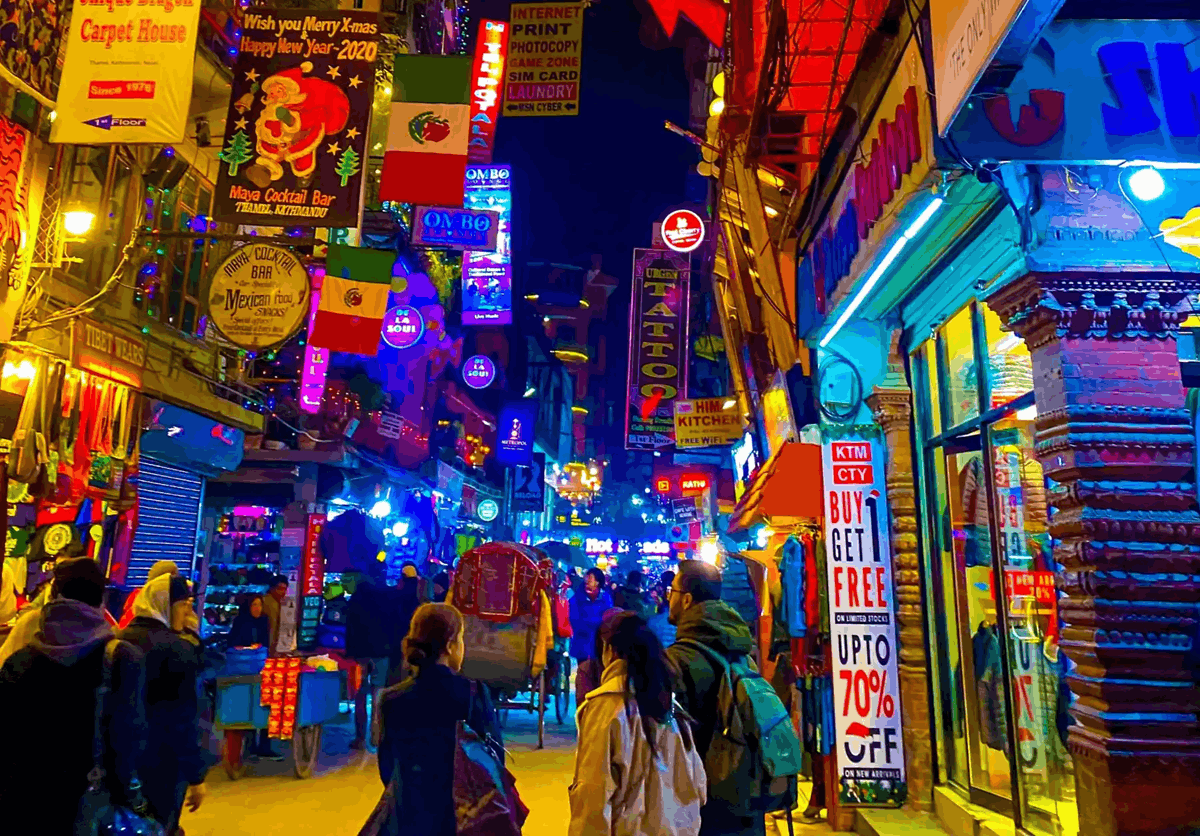
The capital, with the widest choice of institutions
Kathmandu
Nepal's academic centre. Most universities, affiliated colleges and specialist institutes are in the Kathmandu Valley, alongside the country's main international airport.
- Studying
- The largest concentration of programmes in the country, from Tribhuvan University and its affiliated colleges to Kathmandu University in nearby Dhulikhel, plus language schools and short-course providers.
- Working remotely
- Coworking spaces and laptop-friendly cafés cluster in areas such as Thamel, Jhamsikhel and Patan. Fibre internet is widely available in the city.
- Living
- Everything a capital offers: hospitals, banks, embassies, international food and a large student population. Heritage sites in Patan, Bhaktapur and Kathmandu Durbar Square are on your doorstep.
- Best for
- Full-time students, people who want the most programme choice, and anyone who prefers city amenities.
- Trade-offs
- Traffic, and dust and haze in the dry winter months. Choose housing close to your campus.
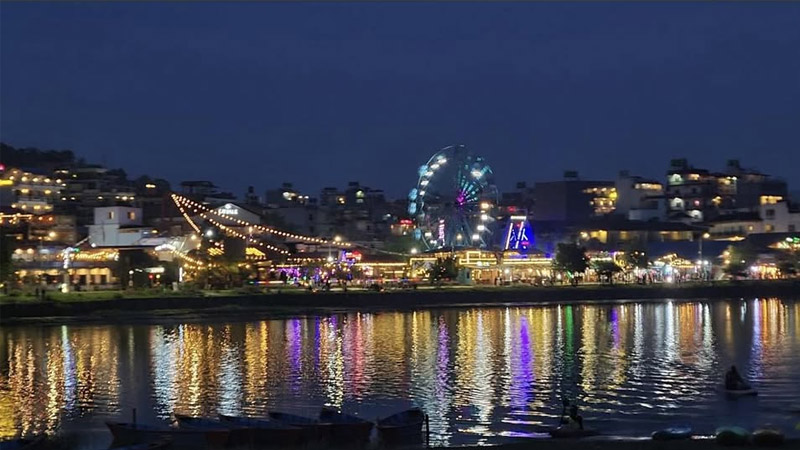
A lakeside city at the foot of the Annapurnas
Pokhara
Nepal's second city sits on Phewa Lake beneath Machhapuchhre. It is calmer than Kathmandu and has a long-standing community of travellers and remote workers.
- Studying
- Home to Pokhara University and Gandaki University, plus affiliated colleges. Strong fit for tourism, hospitality, environment and field-based study.
- Working remotely
- Lakeside has many cafés and guesthouses set up for remote work. Check the internet speed and power backup of any room before you commit to it.
- Living
- A slower pace, cleaner air and the outdoors close by — paragliding, lakeside walks and the starting points for Annapurna treks. A short domestic flight or a day's drive from Kathmandu.
- Best for
- Part-time students, short courses, and people who want balance between study, work and the mountains.
- Trade-offs
- Fewer institutions and programmes than Kathmandu, and a busier tourist season in autumn and spring.
Study options
Choose how much study fits your work
Entry requirements, schedules and fees are set by each institution. Confirm the details with them before you plan around a course.
Degree programmes
Bachelor's and master's programmes at recognised universities and their affiliated colleges. Full-time study, best if Nepal is your base for several years.
Short courses & certificates
Diplomas and certificates in fields such as IT, hospitality, tourism and business. Shorter commitments that sit alongside remote work.
Nepali language
Language classes, from casual conversation to university-run courses, make daily life easier and are a common first step.
Specialist fields
Subjects Nepal is well placed to teach: Himalayan and environmental studies, Buddhist studies, mountain tourism and development studies.
Visas
Your visa decides what you may do
A student visa is issued for enrolment at a recognised institution and usually needs a letter from that institution. It is not a work permit.
Whether remote work for employers or clients outside Nepal is allowed on a given visa is decided by Nepal's Department of Immigration, and the rules can change. Confirm with them, or with your institution's international office, before you rely on it.
We explain the process; we do not give immigration or legal advice.
Practical setup
Before you start working from Nepal
- Keep two internet connections — home fibre plus mobile data from a different provider.
- Ask whether your room or workspace has power backup (an inverter or generator).
- Live near your campus; travel times in Kathmandu can be longer than distances suggest.
- Arrange health insurance that covers you in Nepal before you arrive.
- Carry an international card and plan how you will receive your remote income.
Next steps
Plan your study around your remote work
Tell us what you want to study, your city preference and how many hours you work, and we will help you shortlist programmes.